
Zelas™ AMP Development Story from Clinical Needs #3
Part 3: Tackling neglected challenges with materials
Through Osaka University's Japan Biodesign program, I entered the field of cardiovascular surgery. In the first session, I discussed the challenges of small-diameter artificial blood vessels and thrombosis, and in the second session, I focused on the everyday dilemmas of infection, biofilm, and anticoagulation therapy.
In the third installment, based on those experiences, we will delve into how the research, development, and commercialization of the antithrombotic thermoplastic elastomer "Zelas™ AMP" began, and how far the verification process has progressed through collaborative research with universities, through a dialogue between Dr. Masuda and business development leader Saeki.
"The Role of a Materials Manufacturer" as Seen Through Clinical Observation
— What was the biggest change you experienced through your biodesign experience?
Saeki: The biggest realization was that we came to believe that there are areas where we can seriously tackle things because we are the ones who are doing it. In the cardiovascular field, we learned that there are many themes that have long been recognized as challenges in practice but have not been resolved, such as thrombosis and infection, small-bore vessels and artificial valves, ECMO and continuous dialysis. Through observing the clinical setting with biodesign, we came to feel that "someone has to do this, but it's an area where people are reluctant to step forward."
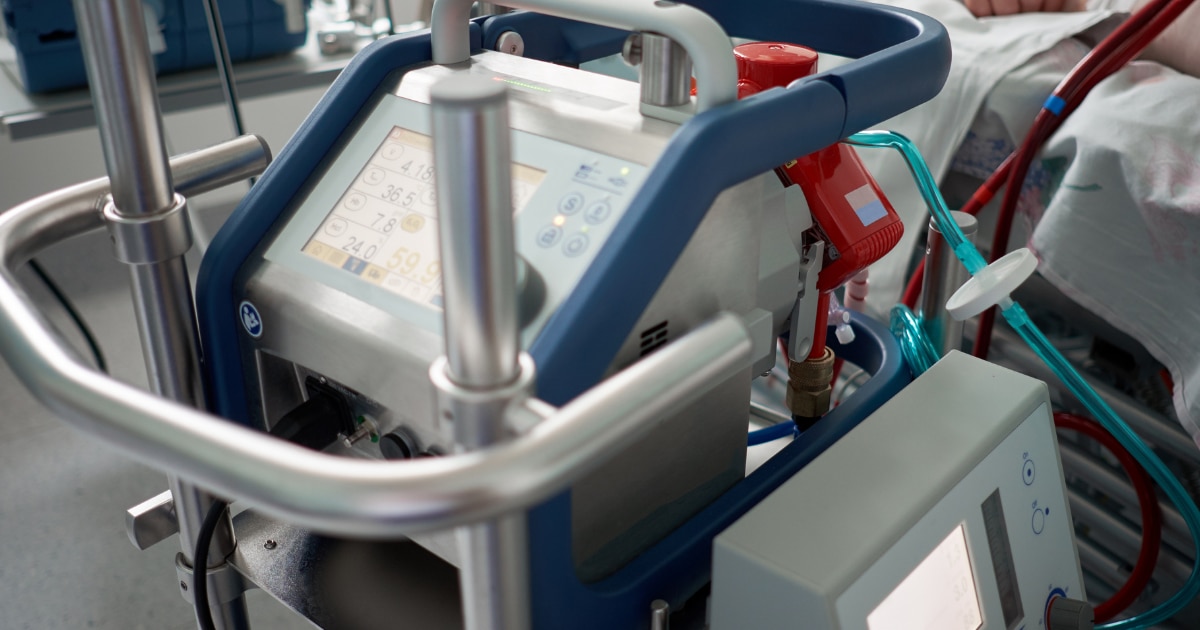
On the other hand, looking at the materials used in medical devices, polyvinyl chloride (PVC) and polyurethane resins are widely used in blood circuits and catheters in medical devices that come into contact with blood. With the Indian PVC resin business and the US medical polyurethane resin business becoming part of our group, these materials have been added as actual businesses to our medical materials business portfolio.
Polyvinyl chloride resin has relatively good blood compatibility and has long been used in blood bags, blood circuits, ECMO and cardiopulmonary bypass circuits. Urethane resin also has excellent flexibility and mechanical properties and is used in applications such as catheters and, in some cases, artificial blood vessels. Considering the challenges we saw in the field through biodesign, and the fact that we are already involved in the business of these existing materials, we began to think, "This is not just theory, we are in a position to actually provide value as a materials manufacturer." We felt that we were in a position to tackle this challenge head-on. How far can we improve blood compatibility (antithrombotic properties) with existing materials as they are, and how can we make this a "material proposal that can really be used" by medical device manufacturers and processing manufacturers? It was from these questions that the development and commercialization of Zelas™ AMP began.
Potential antithrombotic compounds
—With typical antithrombotic materials, there's often an approach of "drastically improving performance with a new material." What concept was Zelas™ AMP developed based on?
Saeki: First, I considered what goes on in the manufacturing facilities of medical device manufacturers. In medical devices that come into contact with blood, antithrombotic functions have been supplemented by heparin or synthetic coatings. While coating itself is a very effective method, it requires specialized equipment and additional processes, and the costs and management burden are also high, so in reality, it has only been adopted mainly in some high-priced medical devices.
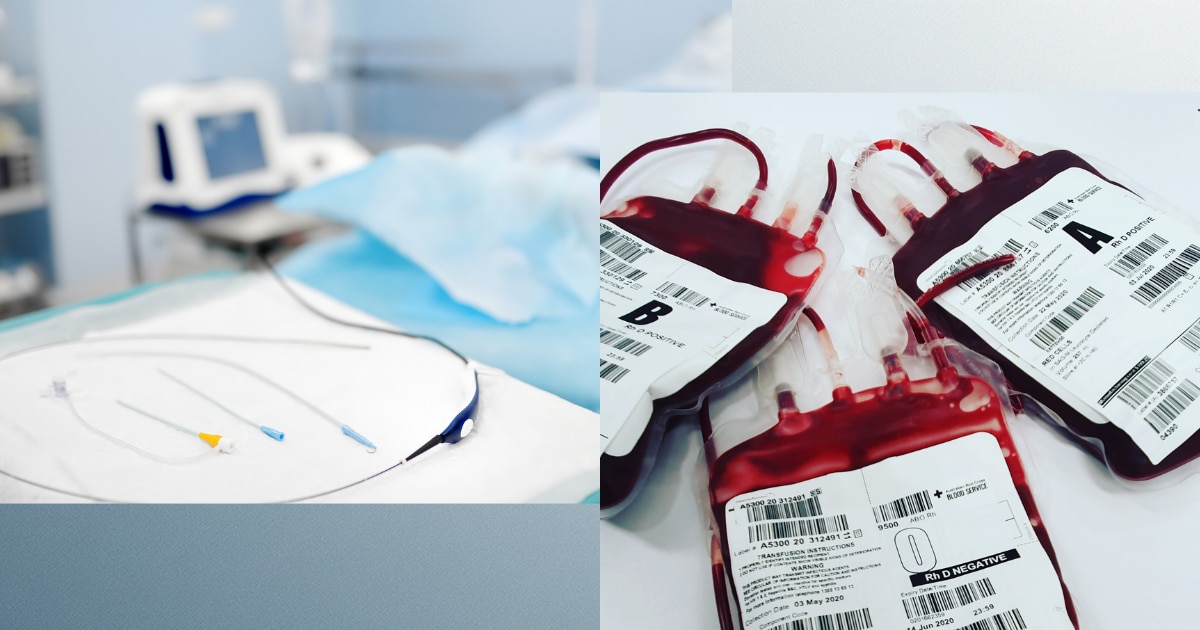
As a result, in many common medical devices and in regions where healthcare costs are limited, such as emerging countries, even if it is known that "materials with higher antithrombotic properties" are needed, there are no options available.
We specialize in designing formulations that combine various resins and additives to create functional materials. Therefore, we thought, "If we can improve antithrombotic properties through the resin itself, rather than relying on coatings, we can deliver better materials to a wider range of users, even in environments with strict cost constraints." This was the starting point for Zelas™ AMP. We believe it will be relatively easy to introduce to emerging markets and other sectors where sufficient medical costs are not feasible.
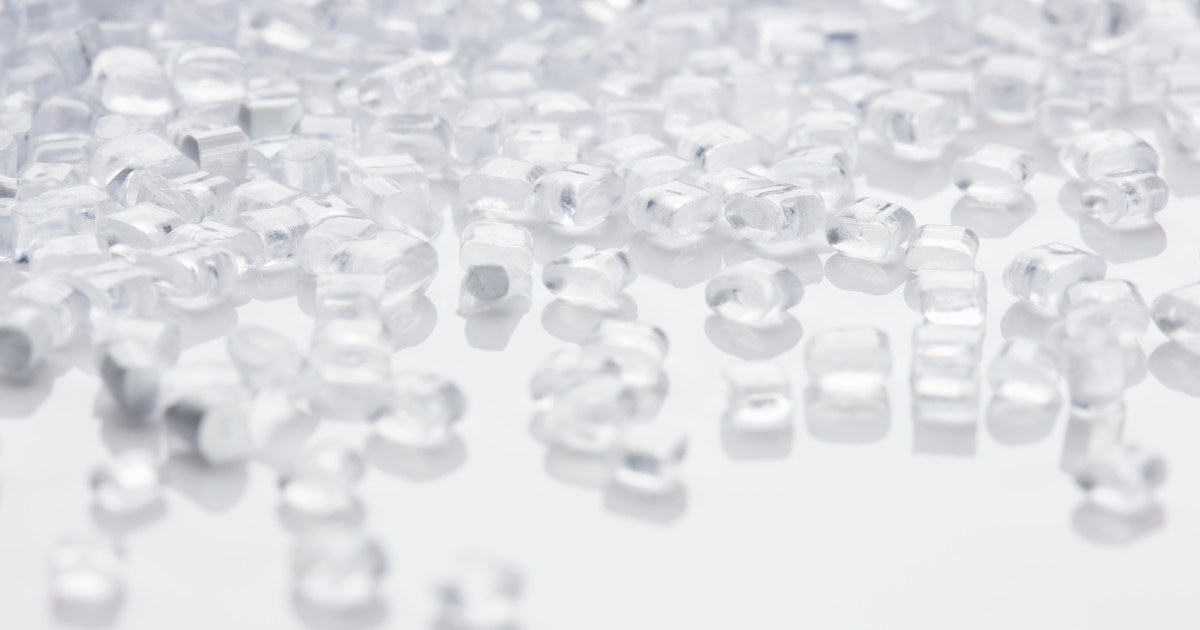
The key polymer in Zelas™ AMP is an amphiphilic polymer that combines blood compatibility derived from its hydrophilic structure with substrate affinity derived from its hydrophobic structure. By compounding this key polymer with substrates such as polyvinyl chloride resin and urethane resin, we aim to impart functions such as antithrombotic properties, low protein adsorption, and low bacterial adhesion as inherent properties of the resin itself.
In short, the key development concept for Zelas™ AMP is to "integrate antithrombotic properties into the resins that medical device manufacturers are already using, leveraging our expertise in compounding technology." As a result, we aim to reduce the coating process and management burden in manufacturing, and extend the level of antithrombotic properties, which was previously limited to high-priced devices, to medical devices where high manufacturing costs are unacceptable, as well as to settings like emerging countries where healthcare costs need to be kept down.
Joint research with Osaka University and Kyushu University, and what's to come
— What kind of evaluation process do you use to begin your joint research with Osaka University?
Saeki: Our joint research with Osaka University has only just begun. We are currently exploring together how to evaluate thrombi and biofilms under what conditions so that the significance of Zelas™ AMP as a practical update based on polyvinyl chloride resin and urethane resin can be conveyed.
We feel that the process of discussing and refining each condition step by step with professors who are closer to the field is something we absolutely could not do on our own. It takes time, but we are proceeding with this collaborative research with the hope that it will lead to "a step that can actually be used in the field."
Dr. Masuda: From a clinical perspective, we are discussing with the research team how to design a simulated environment that reflects the real difficulties patients face in various scenarios. As this is a new initiative for the Department of Cardiovascular Surgery, we are seeking advice from experts within the hospital, and Professor Ken Tanaka from Kyushu University is also participating in the process, working from the design of the evaluation system itself. We are still only halfway there, but that's precisely why we don't want to rush to conclusions. Instead, we want to take things one step at a time, ensuring that the evaluation accurately reflects the challenges faced in the field.
—Finally, do you have any message you'd like to convey to developers at medical device manufacturers?
Saeki: We're not yet at the stage where we can proudly say that Zelas™ AMP is "the strongest new material." We believe that by enhancing the functionality of materials with a proven track record in blood contact, such as polyvinyl chloride resin and urethane resin, using Zelas™ AMP technology, we can deliver meaningful changes for those working in the field. With that in mind, we want to explore its future possibilities together with medical device manufacturers and those working in the medical field.
References
[1] Mitsubishi Chemical Corporation. Regarding the acquisition of Welset Plast Extrusions' PVC compound business. News release. 2018.
https://www.m-chemical.co.jp/news/2018/1204622_7465.html
[2] Mitsubishi Chemical Corporation. Completion of acquisition of PVC compound business in India and construction of new thermoplastic elastomer manufacturing facility. News release. 2019.
https://www.m-chemical.co.jp/news/2019/1206327_7467.html
[3] Mitsubishi Chemical Corporation. Acquisition of the urethane-based thermoplastic elastomer business of AdvanSource Biomaterials Corporation in North America. News Release. 2019.
https://www.m-chemical.co.jp/news/2019/1207873_7467.html
[4] Department of Cardiovascular Surgery, Osaka University Hospital
Official website. https://www.med.osaka-u.ac.jp/pub/surg1/index.html
[5] Department of Cardiovascular Surgery, Osaka University Hospital, "Biodesign: Hirotaka Masuda"
https://www.med.osaka-u.ac.jp/pub/surg1/features/08.html
[6] Ken Tanaka Laboratory, Department of Interdisciplinary Soft Materials Chemistry, Institute for Materials Chemistry and Engineering, Kyushu University
Research lab official website. https://www.soft-material.jp