List of articles on Features and Trends

Designing containers that prevent a decrease in the concentration of active ingredients – Zelas™CP, a low-adsorption container material that enhances product formulation flexibility.

For developers struggling with decreased concentration of active ingredients: This article explains adsorption mechanism originating from the container and countermeasures, and introduces key points for container design that improves stability and increases formulation flexibility using the low-adsorption material Zelas™CP.

View article
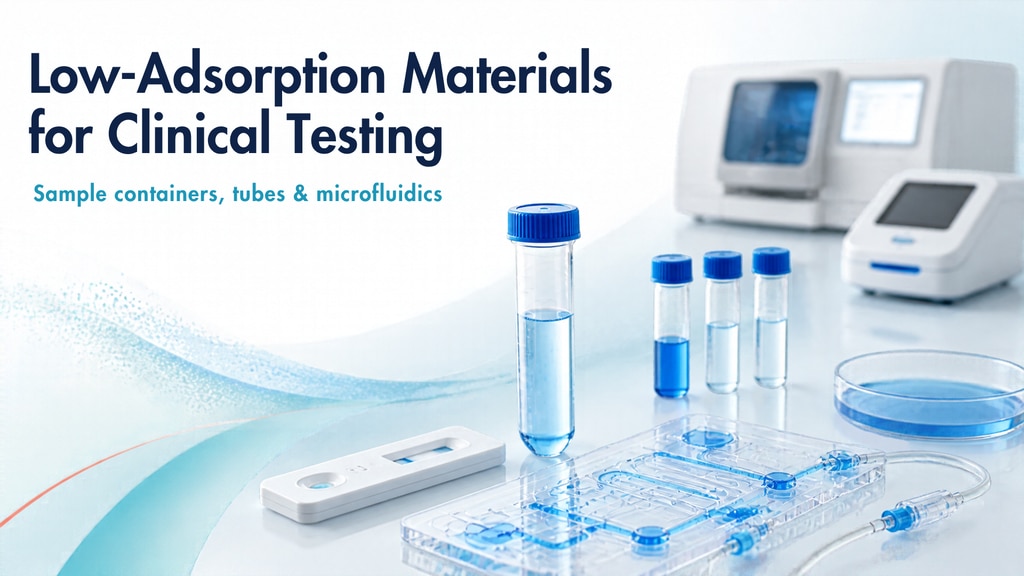
nonspecific adsorption and sorption are crucial considerations in the selection of materials for clinical testing—how to choose specimen containers, tubes, and wetted materials.

This guide is for developers of clinical testing and in vitro diagnostic devices, explaining nonspecific adsorption, low-molecular-weight compounds sorption, and the effects of leachables. It covers material selection points for containers, microfluidics, and tube inner layers, as well as evaluation examples and application scope of the low-adsorption / sorption material Zelas™ CP, and points to check with actual samples and final components.

View article

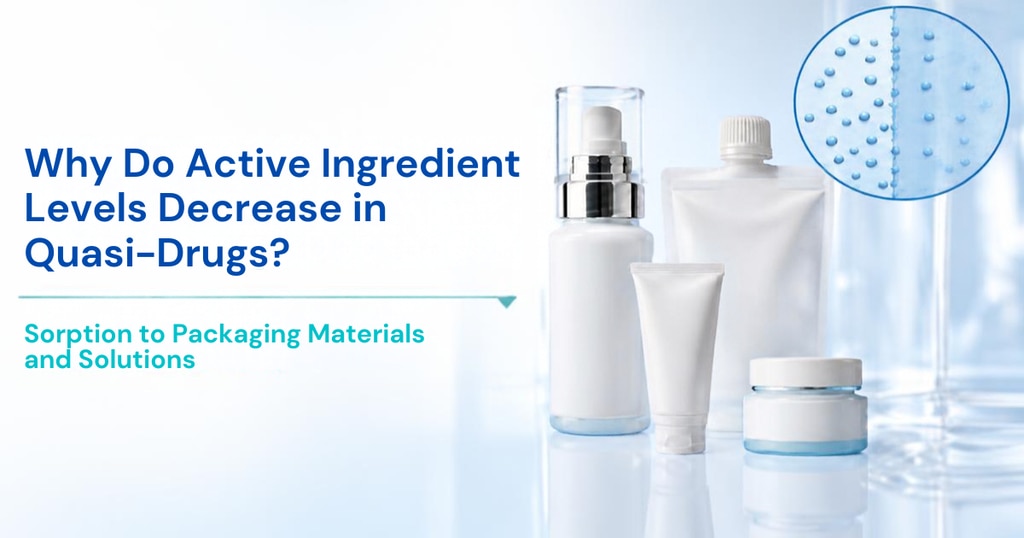
Reasons for the decrease in active ingredients in quasi-drugs: sorption to containers and packaging and countermeasures

This article explains the reasons why the active ingredients in quasi-drugs decrease during storage. In addition to decomposition due to oxidation, light, and heat, and interactions during formulation, it focuses on sorption to containers and packaging materials, introducing evaluation methods, material selection, and countermeasures using sorption sorbency resins.

View article

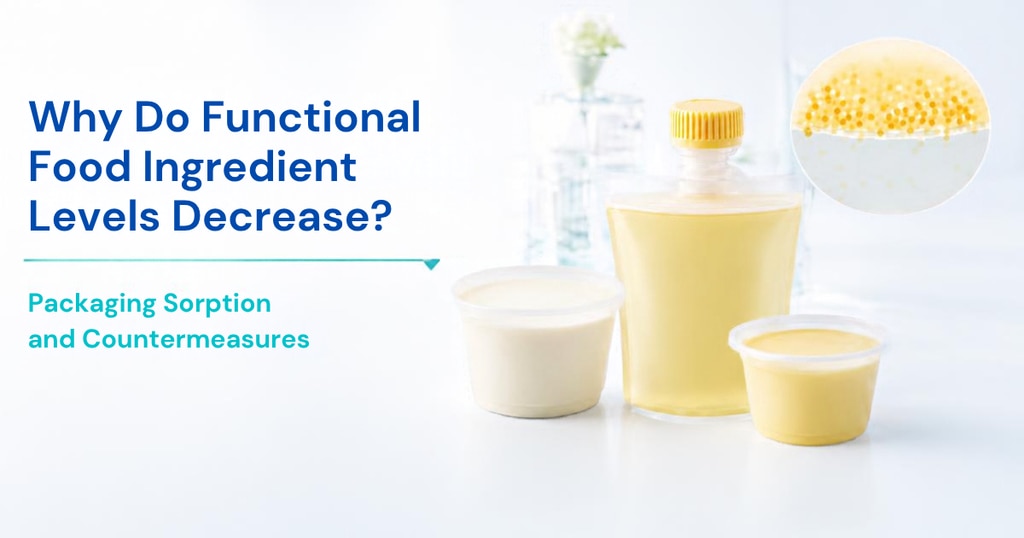
What causes a decrease in the nutrient content of functional foods? sorption to packaging materials and countermeasures.

This article explains the reasons why the nutrient content of functional foods and health foods decreases during storage. Focusing not only on oxidation and decomposition, but also on adsorption and absorption (sorption) of ingredients into packaging materials such as PE and PP, it introduces sorption mechanism of lipid-soluble functional components, evaluation methods, and countermeasures using sorption packaging materials.

View article

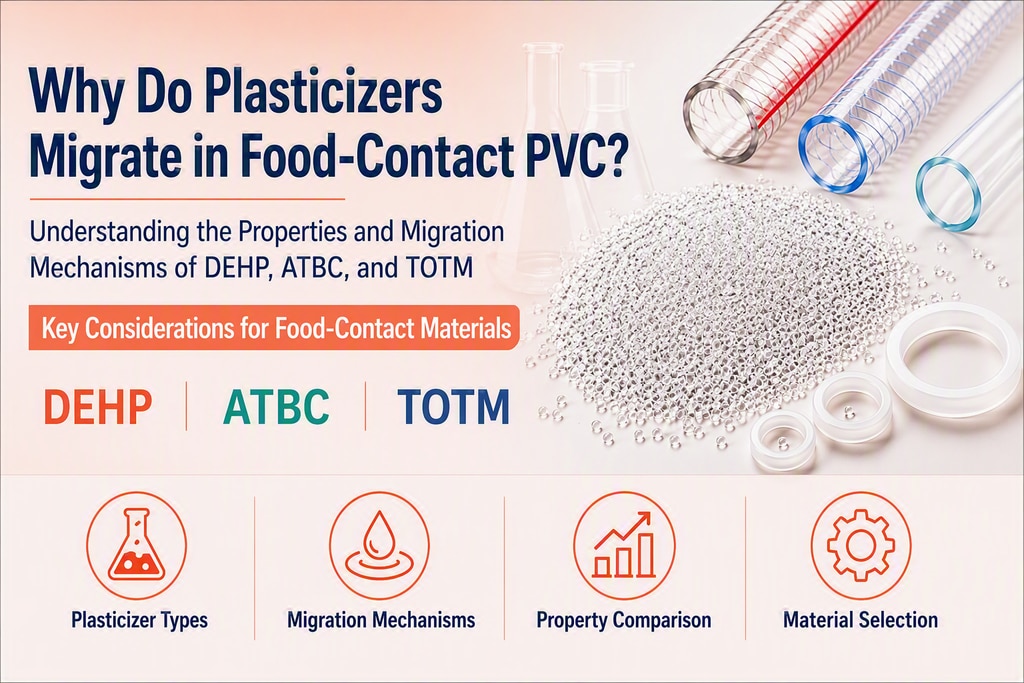
Why do plasticizers migrate in food contact PVC? An explanation of the characteristics and migration mechanisms of DEHP, ATBC, and TOTM.

This article explains the characteristics and migration mechanisms of plasticizers used in food-contact PVC. It outlines the differences between DEHP, ATBC, and TOTM, and the factors that affect migration to food, such as food type, temperature, and contact time. It also introduces considerations for material selection, including DEHP-free PVC and TPE without plasticizers.

View article

CONTACT

Before you start worrying about selecting and developing resin materials
Please contact Mitsubishi Chemical.

Polymer Compounds Business Group Products
Useful resources are available here.

Please feel free to ask any questions.
Please contact us.

Popular Articles Ranking (Weekly)

Tag list

The above information is based on the latest available information as of the date of creation and may be revised in the future based on new information.

Furthermore, this information is provided as general technical information and reference material, and we do not guarantee the accuracy or completeness of the content.

Product performance and characteristics may vary depending on usage conditions, processing conditions, etc. The final decision regarding applicability and design is the customer's responsibility.

We will check the regulations of each country regarding the export of chemical products and then respond whether or not we can provide them. Please be sure to include information such as the exporting country.

Depending on the product, we may suggest a different grade or may not be able to provide the product at all.

Mitsubishi Chemical Corporation

Mitsubishi Chemical Corporation
Polymer Compounds Business Group

Return to top of page