Zelas™ AMP Development Story from Clinical Needs #2
Part 2: "Material Challenges" Seen in Medical Settings
overview
Members from Mitsubishi Chemical, through Osaka University Japan Biodesign, entered the Department of Cardiovascular Surgery at Osaka University Hospital and observed surgeries and intensive care. In the first installment, we focused on the challenges of small-diameter artificial blood vessels, but in practice, other issues specific to devices that come into contact with blood, such as "infection," "biofilm," and "anticoagulation therapy," were constantly being considered.
In the second installment, we will delve into how these challenges are holding back the work on the ground, and what we, as material manufacturers, can do about it, through a dialogue.
Medical professionals fighting the infection
— Besides blood clots, infection and biofilms, which can be a contributing factor, are also major themes, aren't they?
Saeki: I had the opportunity to observe situations in surgery and subsequent intensive care where biofilms were forming on the surface of implanted materials, and this was one of the causes of infection. From the conversations of the doctors, I strongly felt that the premise that "artificial materials are bad" is a common "common sense" assumption in the field.
After a lengthy surgery, the chest had to be opened again due to infection, and the artificial material that was the source of the infection had to be removed and replaced with a new one. Witnessing this entire process, I was struck by the realization that "there are still many problems that materials need to solve."
Dr. Masuda: In the field of cardiac surgery, there are so many devices that come into contact with blood, such as artificial valves, artificial blood vessels, sutures, central venous catheters, dialysis circuits, and artificial hearts. Every device is at risk of thrombosis and infection, and in many cases, biofilms formed on the device surface are involved.
In clinical practice, fever caused by catheter-related bloodstream infections (CRBSIs), which occur when intravascular catheters such as central venous catheters become the source of infection, is called "catheter fever," and biofilms are often found at the tip of the catheter in such cases.
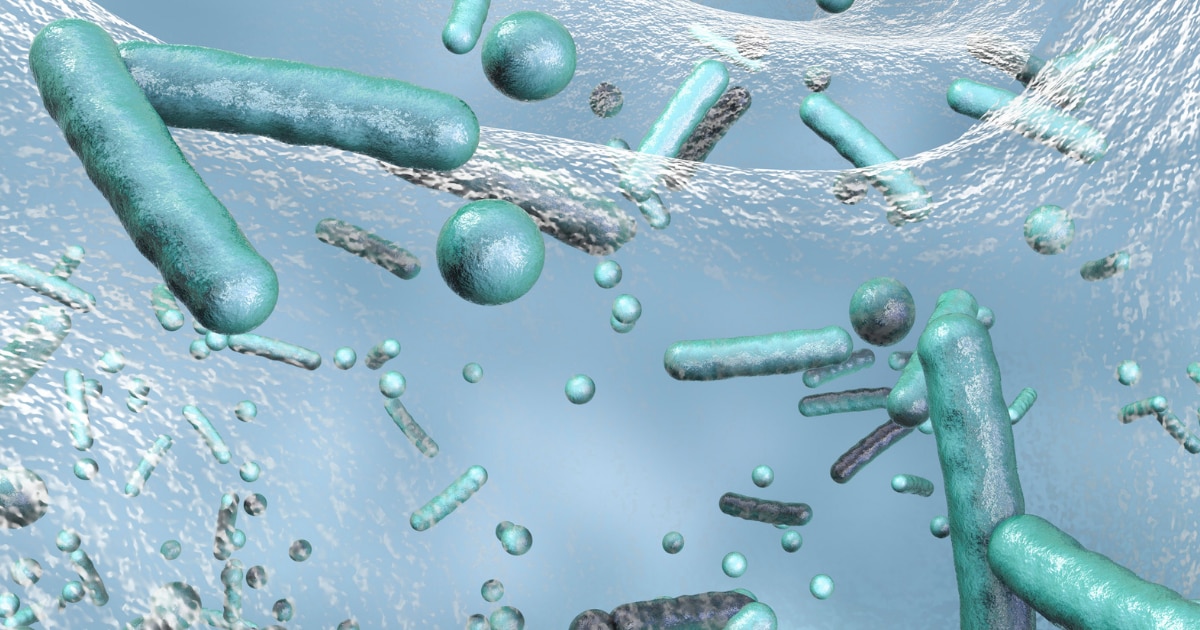
Biofilms and infections refer to a condition where microorganisms such as bacteria and fungi adhere to the surface of a device, forming a layered "membrane" along with self-produced substances such as polysaccharides. Because this creates an environment where antibiotics have difficulty reaching the target and the immune system is more easily protected, it is considered a significant factor in medical device-associated infections.
The dilemma of anticoagulation therapy and bleeding risk
Anticoagulation therapy is a general term for treatments that make the blood less likely to clot, using drugs such as heparin, warfarin, and direct oral anticoagulants (DOACs). It is standard practice in many situations, such as after heart surgery, catheter treatment, implantation of artificial valves and blood vessels, and hemodialysis, but a major challenge is the unavoidable trade-off between preventing blood clots and increasing the risk of bleeding.
— What are your thoughts on the challenges related to blood coagulation (thrombosis) and anticoagulation therapy?
Dr. Masuda: We prescribe blood-thinning medication to many patients. It's necessary to lower the risk of blood clots, but at the same time, we're always concerned about other bleeding risks such as gastrointestinal bleeding and cerebral hemorrhage. It feels like we're constantly searching for the right balance—it's a problem if the blood clots too much, and it's also a problem if it's too thin. During surgery or in the ICU, when medical devices are inserted and circulating, the blood becomes activated and coagulates, inevitably leading to the formation of blood clots, so at present, we have to rely heavily on medication.
Saeki: For patients, treatment involves constantly weighing two risks: "anticoagulation therapy to prevent blood clots" and "the risk of bleeding." After hearing about the difficulties faced by doctors on the front lines from Dr. Masuda, I strongly felt that "there is room to support this from the material side." I felt that these "issues that are recognized on a daily basis but for which there are few effective solutions" are precisely what we mean by needs in biodesign.
Dr. Masuda: That is indeed one of the major unmet needs. Eliminating anticoagulation therapy itself is not realistic, but if we can reduce the risk of thrombus formation and biofilm formation with the device, we may be able to reduce the amount of medication needed and provide treatment more safely to patients at high risk of bleeding.
From a practical standpoint, any means of relieving even a little of the dilemma between anticoagulation therapy and the risk of bleeding would be truly appreciated.
Saeki: It was around this point that I suddenly felt a strong desire to do something on the materials side. If we could reduce the risk of thrombosis, infection, and biofilm-related issues even slightly on the device side that comes into contact with blood, we might be able to alleviate, even slightly, the burden on the medical field associated with anticoagulation therapy. I felt, after observing the situation on the ground, that there was still a considerable amount of room for improvement on the materials side.
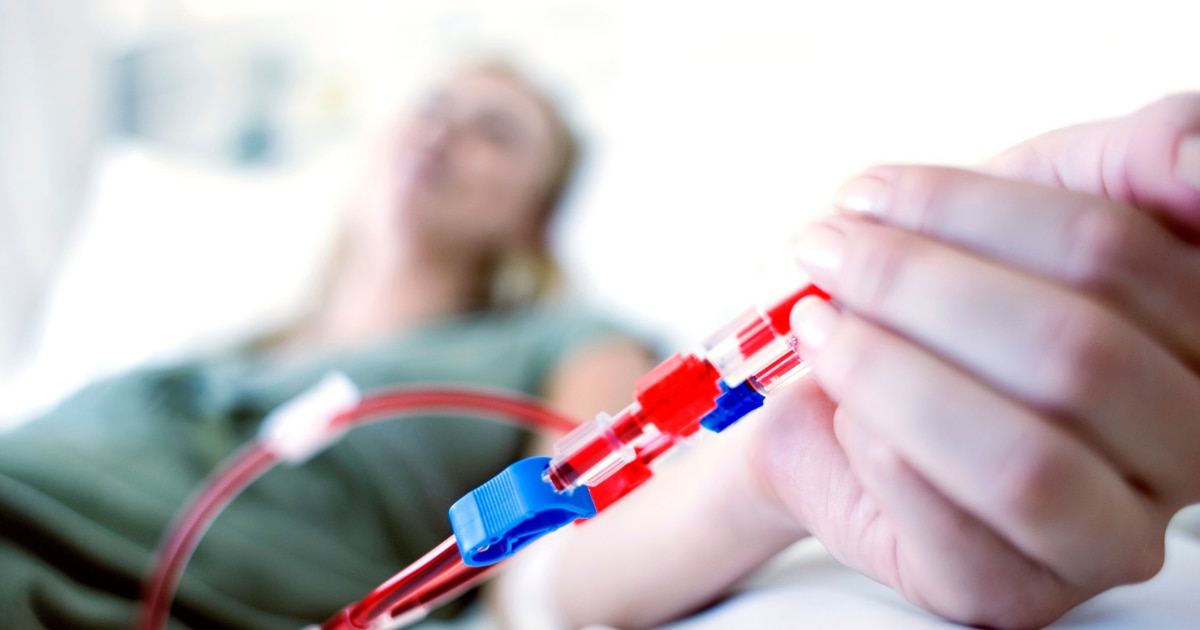
Dr. Masuda: Overseas, there are efforts to reduce heparin dosage by modifying the dialysis circuit. However, many of these technologies are quite expensive, and it's difficult to say that they are a standard option that everyone can use. I feel that the gap between "technically feasible but not practical in terms of cost and supply" is manifesting itself in various forms throughout the cardiovascular field.
Obvious challenges
-- When we think of biodesign, we often imagine "uncovering unmet needs that haven't yet been noticed," but what you've told us today gives us a slightly different impression.
Dr. Masuda: That's right. Biodesign as a whole certainly has a strong aspect of discovering hidden needs. However, the issues surrounding thrombosis, infection, and anticoagulation therapy are, frankly speaking, "things that everyone has known about for a long time, but which haven't been sufficiently resolved. I feel they are truly unmet needs."
Problems such as "prone to blockage," "serious complications if infected," and "increased bleeding risk with anticoagulant therapy" are ongoing challenges faced by those working in the field.
Saeki: I've seen how the doctors are constantly concerned about the balance between thrombosis, infection, and anticoagulation therapy, and I realize that it's a major challenge. However, unless you see it firsthand, you can't really grasp how much effort the doctors and staff put into dealing with this challenge, or how significant the impact is on the patients.
Dr. Masuda: In that sense, what I wanted to achieve through biodesign was not so much "creating new needs," but rather "making companies realize the gravity of existing problems."
Saeki: It's because we were able to share concrete examples on the ground like this that I feel the term "unmet needs" has emerged not just as a slogan, but as a real issue right in front of us.
What are unmet needs? Unmet needs refer to "needs that have not yet been adequately met" in the medical field. This includes issues that are already widely recognized but for which effective solutions are scarce, as well as issues that have not been adequately articulated in the first place. In biodesign, instead of starting with specific technologies or products, we carefully organize "who, in what situation, and what the problem is" through on-site observation and interviews, and then proceed to create solutions starting from medically important and unresolved needs (unmet needs).
And now, onto a new challenge.
Saeki: As a materials manufacturer, the cardiovascular field has always been considered a difficult area to enter, due to its limited market size and high risks, including regulations and responsibilities. In addition, without actually seeing the surgical field, the contours of the challenges themselves remain vague. As a result, I realized for the first time through my experience with biodesign that we had not been able to fully delve into this field for a long time.
Dr. Masuda: But that's precisely why there's room for improvement. From a practical standpoint, we're not looking for a perfect answer right away. If we can just take a small step forward in the direction of "getting even a little bit better than before," that alone would be of great significance to patients.
Saeki: It is precisely in that direction of "making things even a little bit better" that, as a materials manufacturer, we wanted to see how far we could contribute to the medical field with materials. That is the background behind our serious commitment to developing and commercializing the antithrombotic thermoplastic elastomer "Zelas™ AMP".
Based on the challenges we observed in the field and our concerns about existing materials that come into contact with blood, we felt it was necessary to address the question of "which specific material technologies should we use to address these issues?"
In the third installment, we will explain how we embarked on the development of the antithrombotic thermoplastic elastomer "Zelas™ AMP" and our collaborative research with universities, as one possible answer to that question.