
Zelas™ AMP Development Story from Clinical Needs #1
Part 1: "Material Challenges" Seen in Medical Settings
overview
Several members of Mitsubishi Chemical participated in the Osaka University Japan Biodesign program and observed the cardiovascular surgery department at Osaka University Hospital. Seeing the clinical procedures, including surgeries, up close provided them with an opportunity to reconsider the challenges they should be addressing as a materials manufacturer.
The person who guided us around the site was Dr. Masuda, who was then affiliated with the hospital's cardiovascular surgery department and was also involved in biodesign. In order to share the challenges of the medical field with companies and to explore solutions together, the cardiovascular surgery operating rooms were open to corporations.
This article traces, through a dialogue between the two individuals, the challenges that emerged in the field of cardiovascular surgery and how those experiences later led to the development and commercialization of the antithrombotic thermoplastic elastomer "Zelas™ AMP."
Profile Introduction
Dr. Hirotada Masuda
A-wave Inc. Representative Director & CEO / Cardiovascular Surgeon
From January to June 2019, I studied at Stanford University and completed the Stanford Biodesign Global Faculty in Training Program. Since April 2020, I have been a Project Assistant Professor in the Joint Department of Integrative Therapy for Chronic Heart Failure, Graduate School of Medicine, Osaka University.
Around 2018, he worked in the Department of Cardiovascular Surgery at Osaka University Hospital, engaging in cardiovascular surgery and perioperative care. Through programs such as the Japan Biodesign Osaka University Program, he also worked on needs exploration in medical device development and industry-academia collaboration connecting medical facilities and companies. Through the same program, he founded A-wave Co., Ltd., which develops home monitoring systems for heart failure patients.

Yumiko Saeki
Mitsubishi Chemical Corporation
New Market Development Group Manager, Performance Polymers Division
*Affiliation as of March 2026
After working in the research and development department on the development of polymer materials, I participated in the Osaka University Japan Biodesign project around 2018 as an in-house project, gaining experience in exploring needs in the medical field.
Currently, She is in charge of marketing materials, mainly for medical devices and medical packaging, and I serve as the business development leader for the antithrombotic thermoplastic elastomer "Zelas™ AMP".
What is the Japan Biodesign Program?
Based on the "biodesign" methodology originating at Stanford University, this program cultivates medical device innovation talent that starts with the needs of the medical field.
A team comprised of members with diverse backgrounds, including doctors, engineers, and corporate professionals, thoroughly articulates "whose problem it is and what kind of problem it is" through observation and interviews in clinical settings such as cardiovascular surgery.

Furthermore, a key feature is that they handle everything from concept creation based on needs to prototyping and commercialization considerations in a seamless manner. Rather than searching for themes from technological seeds, they aim to create realistic and sustainable medical devices and healthcare solutions by starting with unmet needs in the field.
In Japan, universities such as Osaka University, the University of Tokyo, and Tohoku University serve as fellowship centers, and the programs are operated in collaboration with the affiliated hospitals and related hospitals of each university.
Why were university hospitals opened to corporations?
--I understand that you two met through the Osaka University Japan Biodesign program. How did it all begin?
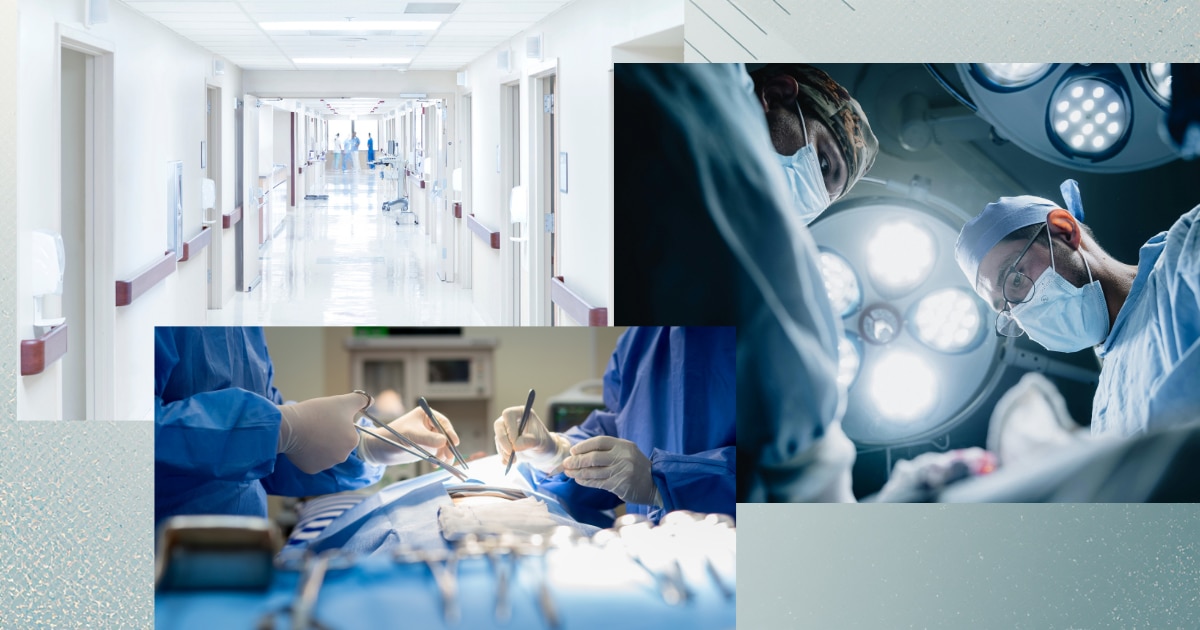
Saeki: As part of an in-house project at Mitsubishi Chemical, several of us, including myself, participated in the Osaka University Japan Biodesign program. Dr. Masuda was our guide when we observed clinical practice, including surgery, mainly at the Department of Cardiovascular Surgery, Osaka University Hospital, and that was our first contact.
— Having company members enter the operating room is quite a bold move, isn't it?
Saeki: To be honest, at first I wondered, "What benefits would this bring to the university hospital?" I never imagined that a general company, not a medical equipment manufacturer, would open up a surgical facility like cardiovascular surgery to us, so I was both surprised and grateful.
— What were the university hospital's objectives from its perspective?
Dr. Masuda: I think there were two main objectives.
One reason is that it's an investment in the future of our cardiac surgery department. We had hoped that even just having them observe our daily practice might give rise to ideas for future collaborative research. It wouldn't drastically increase our workload, so we thought it was perfectly reasonable to have them observe the practice firsthand.
Another reason is the operational aspects of the Japan Biodesign Osaka University program. Since we are working with companies in an industry-academia collaboration, it is essential that they see the actual work being done. As I myself belonged to both cardiac surgery and biodesign, I simultaneously had two roles: "Let's do this for the future of the medical department" and "This is something that the program must do."
For most companies, showing their daily operations to the outside world is a significant hurdle.
Dr. Masuda: There may be differences in perspective between the medical and corporate sectors in that regard. In the corporate sector, there are issues of confidentiality and intellectual property, so it's not easy to show the actual work being done. On the other hand, in the medical field, patient privacy and safety are paramount, but the details of medical treatment itself are routinely made available to students. Surgical observation has also been done for a long time, and corporate visits are more of an extension of that.
Saeki: In fact, in the operating room, there were not only doctors, patients, and staff, but also many students and sales representatives from medical equipment manufacturers, which made me realize that university hospitals are also educational institutions.
Dr. Masuda: Of course, there are several things to be careful about when company representatives get involved. However, unless they see "what is happening on the ground," the true needs cannot be conveyed. We believed that having them see that together was of great significance from a biodesign perspective.
A single word thrown at a researcher at a materials manufacturer.
-- I understand that among your on-site observations, the coronary artery bypass grafting (CABG) surgery was particularly memorable. Could you tell us about that experience?
Saeki: The first procedure I observed was a coronary artery bypass surgery using the internal mammary artery as a graft vessel. I watched intently as the patient's own blood vessels were carefully exposed and the procedure progressed over a long period of time to create a bypass to the coronary artery.
Afterwards, as I witnessed the process of suturing the graft into the coronary artery of the heart, I felt a strong sense of unease, wondering, "There must be an option for artificial blood vessels, so why aren't they being used?"
— Indeed, one might wonder, "Can't this be replaced with an artificial blood vessel?"
Saeki: That's right. They take a blood vessel that seems important to the patient from another location and use it there. Even as a layperson, I had doubts like, "Is it really okay to take it out?" and "Can't it be replaced with an artificial blood vessel?"
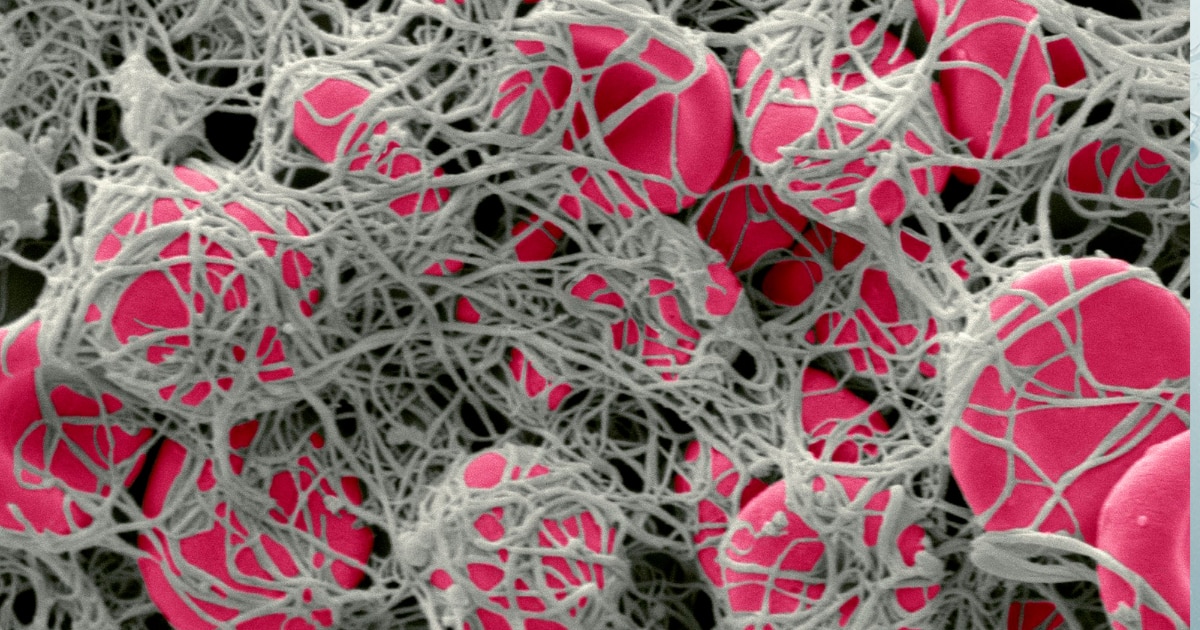
Dr. Masuda: At that time, I explained the basic premise in the medical field that "artificial blood vessels smaller than 6mm are prone to blockage by blood clots and cannot be used at present." With current technology, small-diameter artificial blood vessels are very prone to blood clot formation and cannot be said to be stable for long-term use. For this reason, in narrow blood vessels such as coronary artery bypasses, it is still standard practice to use the patient's own blood vessels.
Saeki: At that point, the professor said to me, "This is also your responsibility as a materials manufacturer," and those words really struck a chord with me.
While we've been actively investing the latest polymer technologies in large markets like automobiles and electronic devices, we hadn't been seriously venturing into high-risk, small-market areas like cardiovascular surgery. I felt like we were confronted head-on with that gap.
—That's the gap between "market principles" and "healthcare, which involves the responsibility of saving lives."
Saeki: I think it's a natural choice for a company. In large markets, we have naturally prioritized allocating development resources as part of our materials business. On the other hand, areas like the cardiovascular field, where the market size is limited and the risks, including regulations and responsibilities, are high, have been considered, frankly, "difficult to enter" as a materials manufacturer.
To begin with, I didn't fully understand the challenges that arose in the operating room until I actually stood there. A combination of these factors meant that I hadn't been able to fully engage with the situation, and your comment made me realize that.
Issues that have been left unaddressed
-- I understand that in the world of cardiac surgery, there's an underlying assumption that small-diameter artificial blood vessels are prone to clogging.
Dr. Masuda: That's right. For large blood vessels like the aorta, artificial blood vessels are already used as standard. On the other hand, for small blood vessels like the coronary arteries, treatment has long been carried out on the premise that "artificial blood vessels will get blocked, so we have no choice but to use the patient's own blood vessels."
There was a time when they explored ways to reuse the patient's own blood vessels, but it feels like the conclusion reached at the time—that "small-diameter artificial blood vessels are prone to clogging"—has remained unchanged for about half a century. While technology itself has advanced significantly during this time, it seems as though time has stood still in this area.
—So, you could say it's an area where "challenges have come to a halt," right?
Dr. Masuda: That's right. There are several "forgotten topics" in the cardiovascular field, and I think small-diameter blood vessels and artificial heart valves are prime examples.
In reality, this is an area that could be worth revisiting, leveraging advancements in materials and surface treatment techniques. However, both surgeons and companies have somehow lost interest in it. In that sense, I feel it's one of those issues that has been neglected.
Saeki: When I heard this, I was quite shocked. Companies are hesitant to get involved due to the risks and profitability, and the medical field has simply accepted it as "that's just how things are."
While overhearing conversations during surgery such as, "We want to preserve this blood vessel for when you need dialysis in the future, so we can't take it from here," I strongly felt that it was wrong that there was a "competition" for patients' blood vessels, yet no solution to address this situation.
Dr. Masuda: If "small-diameter artificial blood vessels that are less prone to clogging" become a realistic option, it will have a significant impact on both patients and surgeons.
Surgery time can be shortened, and the patient's concerns about which blood vessels to use and to what extent will be reduced. The range of future treatment options will also expand. That's why I believe this is an area where it's worth taking a step forward using the power of materials.
Artificial blood vessels: These are synthetic blood vessels made from materials such as polyester and fluororesin, and are already widely used in the treatment of large blood vessels, such as in aortic aneurysms. However, small-diameter artificial blood vessels (less than 6 mm in diameter) are prone to thrombosis, and practical application remains difficult for use in narrow blood vessels such as coronary arteries.
Next time, we will delve deeper into the "realities on the ground other than thrombosis," such as infection, biofilm, and anticoagulation therapy, and the concerns of material manufacturers who have seen these issues.
References
[1] Japan Society for Biodesign. Program Overview. https://www.jamti.or.jp/biodesign/program/
[2] A-wave Co., Ltd. https://awave.co.jp/
[3] Medical Education Information Center, Graduate School of Medicine, Osaka University, "MDD2018 Graduate Yumiko Saeki (Mitsubishi Chemical Corporation)" https://mei.osaka-u.ac.jp/article/list/mdd2018_alumni_saeki/
[4] Joint research on the application of the antithrombotic thermoplastic elastomer "Zelas™ AMP" to medical devices | 2025 | News release | Mitsubishi Chemical Group https://www.mcgc.com/news_release/02443.html
[5] Ken Tanaka Laboratory, Kyushu University: "Our laboratory's industry-academia-medical-engineering collaboration has been featured in multiple media outlets." https://www.soft-material.jp/information/news/article-9140