
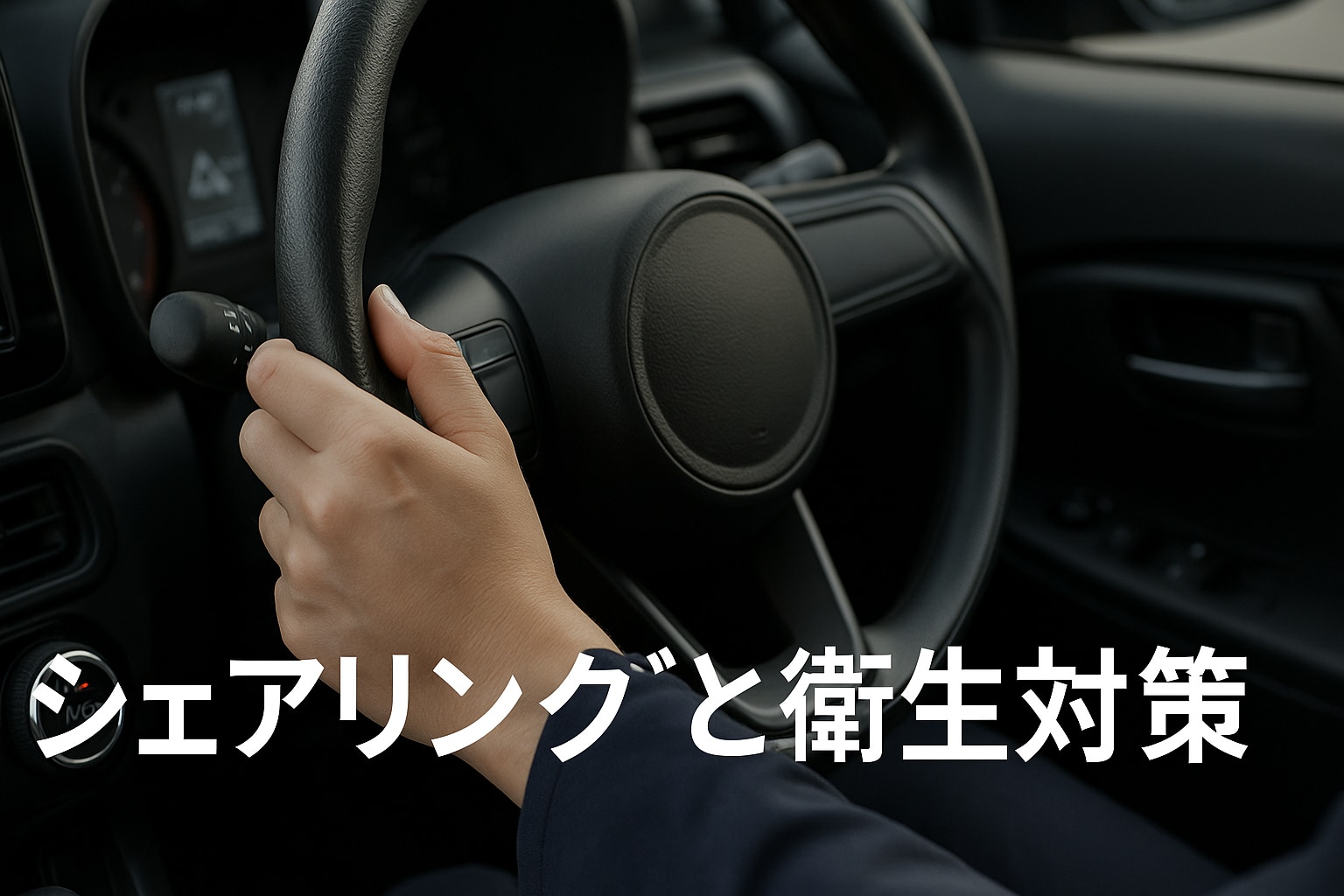
Sharing and hygiene materials
With the expansion of the sharing economy, hygiene measures for products used by a large number of people have become more important than ever. Materials with antibacterial, antiviral, and antifungal properties are required for parts that people touch, such as car-sharing equipment, nursing care products, and sports equipment. This article introduces Mitsubishi Chemical's efforts in PVC and TPE materials to address these challenges.
Sharing economy
The sharing economy is a new economic model that shifts goods and services from "ownership" to "sharing." Because these services are used by a large number of people, hygiene measures are becoming increasingly important.
Car sharing
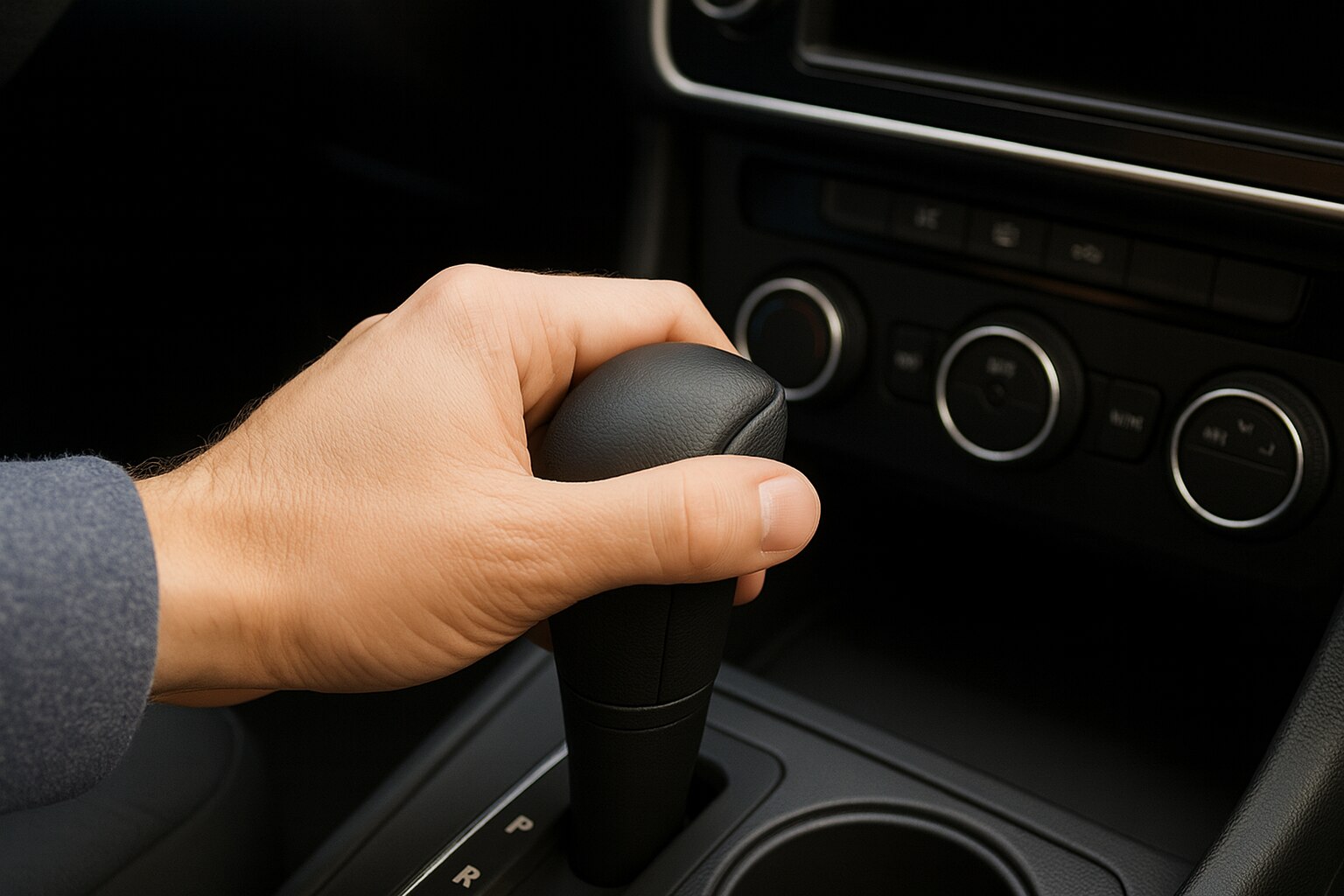
In car sharing, hygiene measures are crucial for frequently touched surfaces such as the steering wheel and gear shift knob, leading to an increasing demand for materials with antibacterial and alcohol-resistant properties.
Rental of nursing care products and sports equipment
As rental services for caregiving equipment such as walkers and canes, as well as sports equipment, become more common, there is a growing demand for hygienic features such as antibacterial, antiviral, and antifungal properties in the grip areas.
Grip materials and hygiene measures
Parts that people touch and elastomer materials
PVC and thermoplastic elastomers (TPE) have a soft feel and are non-slip, making them commonly used in grip areas that people touch. They not only offer excellent alcohol resistance for disinfection but also provide hygienic properties.
エラストマー種類 | grade | 重量変化率 | 体積変化率 |
ポリエステル系熱可塑性エラストマー | A1600N | −3% | −3% |
スチレン系熱可塑性エラストマー | SJ8300C | −4% | −4% |
オレフィン系熱可塑性エラストマー | 3855N | −2% | −2% |
試験片寸法40 mm × 13 mm × 厚さ2 mmの試験片をエタノールに浸漬し、室温で1週間保持しました。
浸漬前後の重量および体積を測定し、それぞれの変化率を評価しました。
いずれの熱可塑性エラストマーでも重量・体積はわずかに減少しました。変化率は、ポリエステル系TPEが重量・体積ともに−3%、スチレン系TPEがともに−4%、オレフィン系TPEがともに−2%でした。
3材料の中では、オレフィン系TPEが最も変化が小さく、今回の試験条件ではエタノール浸漬による影響が比較的抑えられていました。一方、スチレン系TPEは重量・体積ともに−4%となり、3材料の中では変化が最も大きい結果となりました。ただし、いずれも数%程度の変化にとどまっており、室温・1週間のエタノール浸漬条件では大きな変化は確認されませんでした。
The difference between antibacterial, antiviral, and antifungal properties.
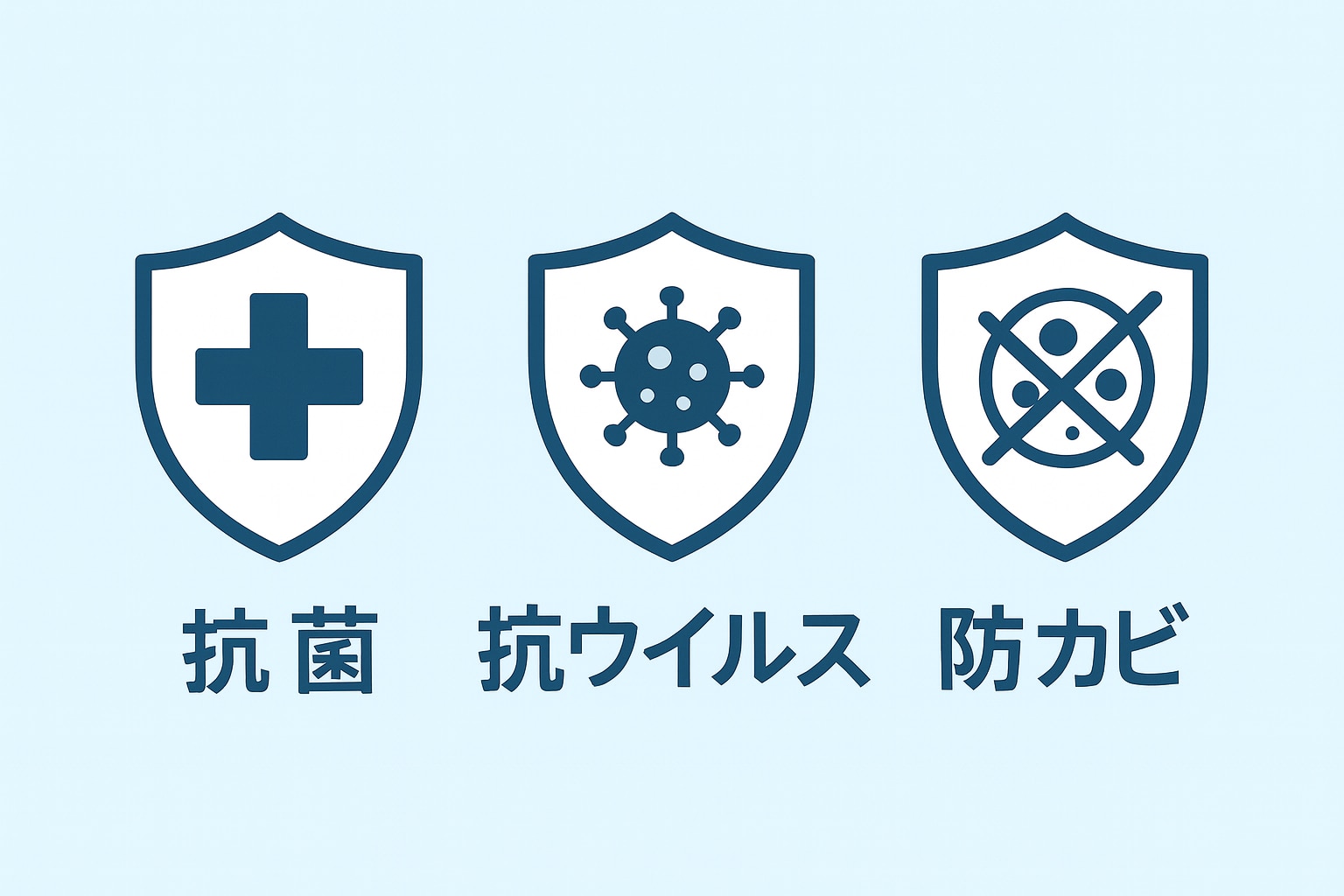
The term "hygiene" encompasses a variety of concepts. Below are some representative examples of hygiene and their differences.
Antibacterial: Suppresses the growth of bacteria.
Antiviral: Reduces viral activity.
Mold prevention: Prevents the growth and proliferation of mold.
Mitsubishi Chemical's initiatives
Hygiene measures for PVC and TPE materials
Mitsubishi Chemical offers materials that combine antibacterial, antiviral, and antifungal properties with excellent tactile feel and durability, thanks to its expertise in formulation.
The following is an example of evaluation results for PVC compound material with added antiviral properties.
抗ウイルス剤を添加した材料について、A型インフルエンザウイルス(H3N2)に対する抗ウイルス性能を評価しました。試験はISO 21702:2019に準拠して実施し、試験片表面に接触させたウイルスの感染価を、ブランク試料と比較しました。
その結果、ブランクに対し、抗ウイルス剤添加品ではウィルス濃度が低下し、抗ウイルス活性値は3.3であり、ブランクと比較してウイルス感染価の低減が確認されました。
試料 | ウイルス感染価 | 抗ウイルス活性値 |
|---|---|---|
ブランク | 50000 | ― |
抗ウイルス剤添加品 | 25 | 3.3 |
※上記は特定条件下で得られた代表値であり、保証値ではありません。
item | 内容 |
|---|---|
Test method | ISO 21702:2019に準拠して評価 |
試験ウイルス | A型インフルエンザウイルス(H3N2)、ATCC VR-1679 |
宿主細胞 | MDCK細胞(イヌ腎臓由来細胞) |
ウイルス感染価の測定方法 | プラーク法 |
試験片の洗浄・前処理 | UV照射10分間 |
被覆フィルム | PEフィルム(40 mm × 40 mm) |
ウイルス接種液量 | 0.4 mL |
抗ウイルス剤添加品について、ISO 21702:2019に準拠し、A型インフルエンザウイルス(H3N2)を用いた抗ウイルス性能評価を実施しました。その結果、ブランクと比較してウイルス感染価の低減が確認され、抗ウイルス活性値は3.3でした。
※本結果は特定の試験条件下で得られた代表値であり、すべてのウイルスに対する効果、実使用環境での効果、感染予防または疾病予防効果を保証するものではありません。
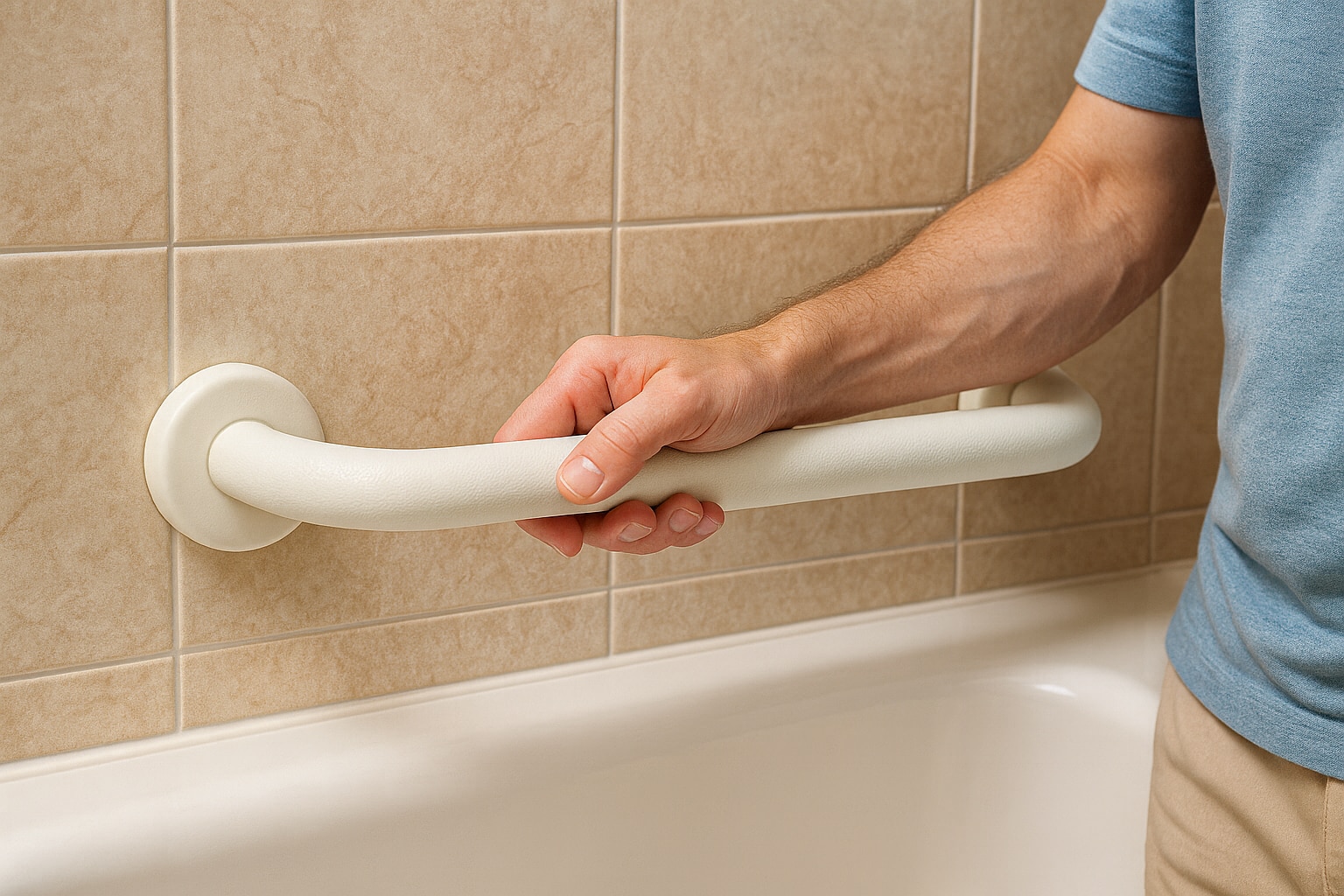
Examples of the use of hygienic materials in bathroom handrails
One example of the use of hygiene-enhancing materials is in bathroom handrails. In recent years, the demand for bathroom handrails has increased due to the aging population, but hygiene and mold prevention in humid environments have become a challenge. Mitsubishi Chemical's PVC and TPE materials, which have been given hygiene-enhancing properties, have been adopted by bathroom handrail manufacturers as materials that can solve these problems.
Supporting sharing from the ground up.
The sharing market is expected to continue expanding, and the demand for hygiene measures is also projected to increase. Mitsubishi Chemical aims to support the sharing economy from the perspective of materials development. If you have any concerns regarding hygiene measures for materials, please feel free to contact us.