
Mitsubishi Chemical Corporation
Polymer Compounds Business Group
adhesive resin
ABOUT
Modic™ is a versatile material that can be used for various applications such as bonding, modification, and compatibility.
This material is created by introducing polar groups into non-polar polyolefins or polyester copolymers, thereby imparting adhesion to dissimilar materials.
It can also be used as a modifier or compatibilizer.
*The product name used on the packaging, delivery specifications, SDS, etc., for this product will be "Modic™".
FEAUTURE
Features of Modic™
■ Adhesive resin series
1.Strong adhesion
It provides strong adhesion to dissimilar materials (PA, EVOH, PET, other resins, various metals).
2.Good physical properties and moldability
It possesses excellent mechanical properties, heat resistance, and moldability equivalent to those of polyolefins.
<Available molding methods>
Cast (T-die) molding, inflation molding, extrusion lamination, blow molding, sheet molding, and various secondary processing (cup molding, heat lamination, stretching, etc.)
■ Modifier and Compatibilizer Series
1. Resin modification
It dramatically improves the physical properties of resins, such as impact resistance and flexibility.
2. Compatibility of different materials
It controls the dispersion state of various fillers and recycled materials, contributing to the development of high physical properties such as hardness and impact strength.
<Adhesive performance table>
PP/PE Series | Special Series | TPC Series | |
|---|---|---|---|
PA | +++ | +++ | +++ |
Polyester | + | +++ | +++ |
PC | - | + | +++ |
EVOH | +++ | +++ | +++ |
PVC | - | + | +++ |
PLA | - | +++ | +++ |
PS | + | +++ | +++ |
PE | +++ | +++ | - |
PP | +++ | +++ | - |
Metal | +++ | +++ | +++ |
Product lineup and physical properties table
- PP Series
- PE series
- Special Series
- Modification and Compatibilization Series
- TPC Series
PP Series
Grade Name | Test method | unit | P512VB | P674 | P595 | P575 | P546V |
MFR (230℃, 21.2N) | JIS K7210 reference | g/10min. | 2 | 3.4 | 7.5 | 5.5 | 10 |
Density | JIS K7112 reference | g/ cm³ | 0.88 | 0.89 | 0.9 | 0.91 | 0.88 |
melting point | MCC method (DSC peak) | ℃ | 122 | 140 | 168 | 162 | 142 |
Vicat softening point | JIS K7206 reference | ℃ | 84 | 117 | 145 | 157 | 52 |
Tensile yield stress | JIS K7161 reference | MPa | 11 | 18 | 26 | 39 | >12 |
Tensile elongation at fracture | JIS K7161 reference | % | >500 | >500 | >500 | 400 | >500 |
Base polymer | rPP | rPP | hPP | hPP | rPP | ||
Recommended molding method | bottle | seat | cast | stretching | cast | ||
*The above figures are representative values and not guaranteed values.
Issued:Sep.2025
PE series
Grade Name | Test method | unit | H511 | M142 | M512 | M545 | L502 | A543 |
MFR | JIS K7210 reference | g/10min. | 0.3 | 0.8 | 1 | 6 | 1 | 2 |
Density | JIS K7112 reference | g/ cm³ | 0.94 | 0.91 | 0.9 | 0.9 | 0.93 | 0.92 |
melting point | MCC method | ℃ | 133 | 122 | 119 | 103 | 110 | 95 |
Vicat softening point | JIS K7206 reference | ℃ | 119 | 95 | 74 | 62 | 96 | 68 |
Tensile yield stress | JIS K7161 reference | MPa | 21 | 9 | 6 | - | 13 | - |
Tensile elongation at fracture | JIS K7161 reference | % | >500 | >500 | >500 | >500 | >500 | >500 |
Base polymer | HDPE | LLDPE | LLDPE | LLDPE | LDPE | EVA | ||
Recommended molding method | bottle | inflation | seat | cast | tube | inflation | ||
*The above figures are representative values and not guaranteed values.
Issued:Sep.2025
Special Series
Grade Name | Test method | unit | F502 | F573 | F534A |
MFR (190℃, 21.2N) | JIS K7210 reference | g/10min. | 1 | 2.8 | 3.5 |
Density | JIS K7112 reference | g/ cm³ | 0.91 | 0.93 | 0.9 |
melting point | MCC method (DSC peak) | ℃ | 63, 115 | 103 | 120 |
Vicat softening point | JIS K7206 reference | ℃ | 56 | 54 | 55 |
Tensile yield stress | JIS K7161 reference | MPa | - | - | - |
Tensile elongation at fracture | JIS K7161 reference | % | >500 | >500 | >500 |
Adherent | PS | PEs | PEs | ||
Recommended molding method | seat | bottle | cast | ||
*The above figures are representative values and not guaranteed values.
Issued:Sep.2025
Modification and Compatibilization Series
Grade Name | Test method | unit | M114 | P908 | 730T | GQ131 | GQ430 |
MFR (21.2N) | JIS K7210 reference | g/10min. | 3 | 45 | 1 | 20 | 16 |
Density | JIS K7112 reference | g/ cm³ | 0.92 | 0.91 | 0.9 | 1.06 | 1.1 |
melting point | MCC method (DSC peak) | ℃ | 120 | 155 | 119 | 155 | 168 |
Vicat softening point | JIS K7206 reference | ℃ | 98 | 148 | 74 | - | - |
Tensile yield stress | JIS K7161 reference | MPa | 11 | - | 6 | 10 | 16 |
Tensile elongation at fracture | JIS K7161 reference | % | 450 | - | >500 | >500 | >500 |
Base polymer | LLDPE | hPP | LLDPE | TPC | TPC | ||
Purpose | compatibilizer | compatibilizer | Modifier | Modifier | Modifier | ||
*The above figures are representative values and not guaranteed values.
Issued:Sep.2025
TPC Series
Grade Name | Test method | unit | GQ131 | GQ331 | GQ430 | GK320 |
MFR | JIS K7210 reference | g/10min. | 20 | 12 | 16 | 9 |
Density | JIS K7112 reference | g/ cm³ | 1.06 | 1.09 | 1.1 | 1.03 |
melting point | MCC method (DSC peak) | ℃ | 155 | 182 | 168 | 183 |
D hardness | JIS K6253 reference | - | 20 | 37 | 33 | 40 |
Tensile yield stress | JIS K7161 reference | MPa | 10 | 14 | 16 | 8 |
Tensile elongation at fracture | JIS K7161 reference | % | >500 | >500 | >500 | 480 |
Purpose | PA,EVOH Flexible modification | PA, EVOH, PEs Adhesion | Adhesion | PA, EVOH, PEs Adhesion | ||
Recommended molding conditions
For the export of chemical products, we will check the regulations of each country and then respond regarding whether or not we can provide them.
Please be sure to include information such as the exporting country.
Please note that for some products, we may not be able to offer or provide a different grade.
CASE
Application example

Tie layer for food bottles and tubes
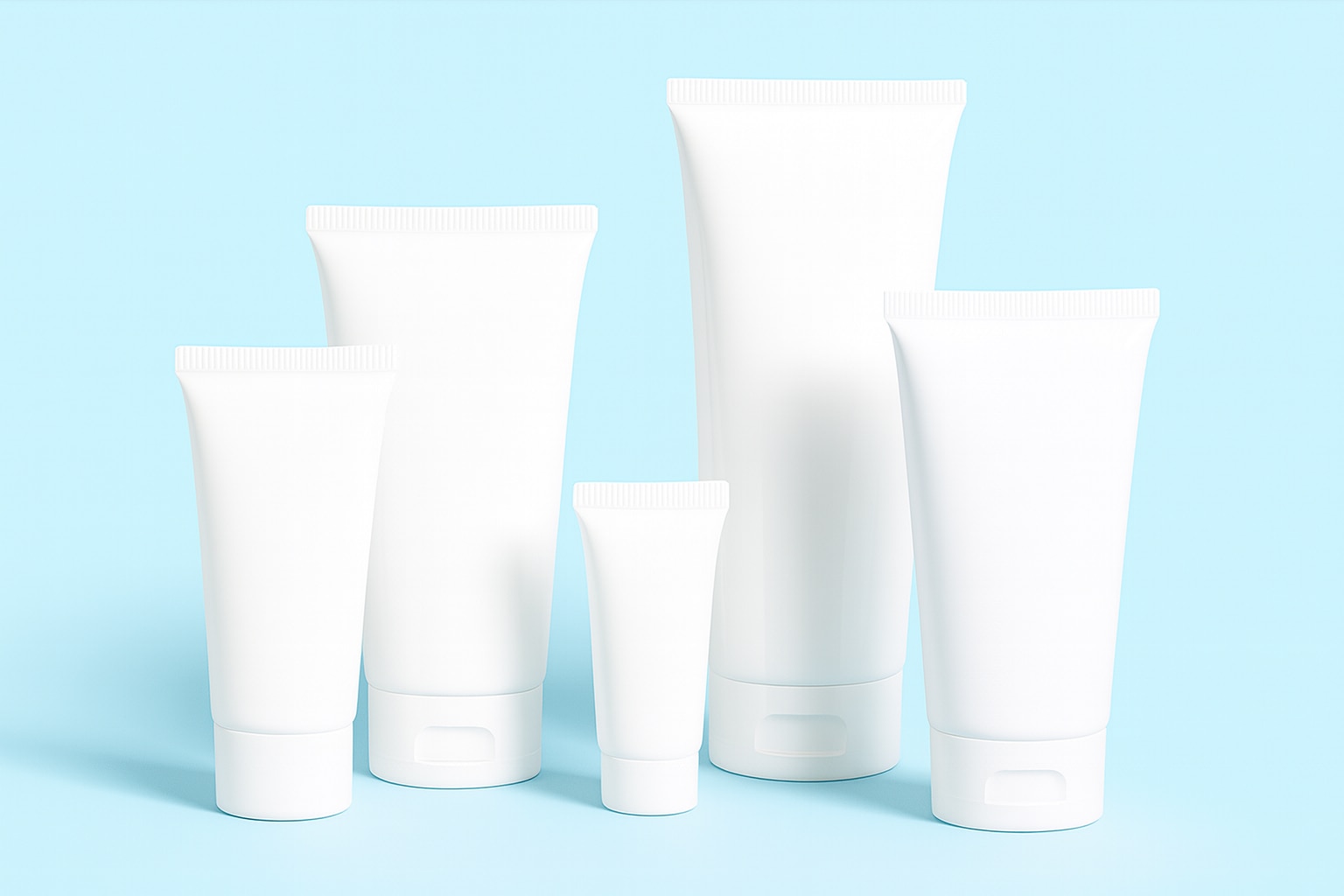
Adhesives for cosmetic bottles and tubes

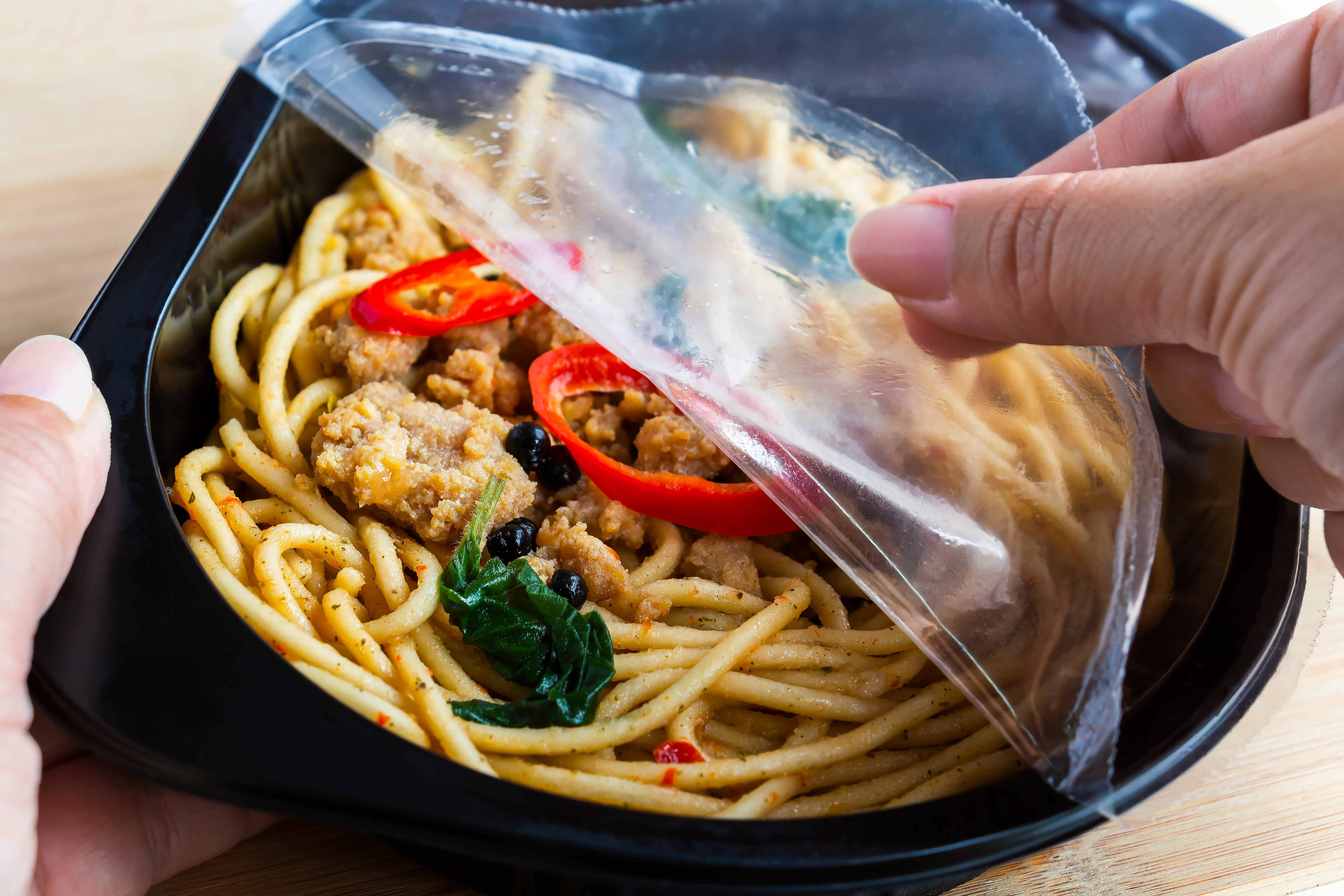
Tie layers for food films and sheets
CONTACT
Before you start worrying about selecting and developing resin materials
Please contact Mitsubishi Chemical.
Polymer Compounds Business Group Products
Useful resources are available here.
Please feel free to ask any questions.
Please contact us.
The above information is based on the latest available information as of the date of creation and may be revised in the future based on new information.
Furthermore, this information is provided as general technical information and reference material, and we do not guarantee the accuracy or completeness of the content.
Product performance and characteristics may vary depending on usage conditions, processing conditions, etc. The final decision regarding applicability and design is the customer's responsibility.
We will check the regulations of each country regarding the export of chemical products and then respond whether or not we can provide them. Please be sure to include information such as the exporting country.
Depending on the product, we may suggest a different grade or may not be able to provide the product at all.

Mitsubishi Chemical Corporation
Polymer Compounds Business Group

Copyright © Mitsubishi Chemical Corporation, Polymer Compounds Business Group